
what is osteopathy
Osteopathy is a safe, effective, and natural form of holistic healthcare that focuses on whole-body healing through hands-on care. It is designed to assess, diagnose, and treat a wide range of concerns—from injuries and postural imbalances to chronic discomfort and other health issues—helping to restore wellbeing and support your body’s natural ability to heal.
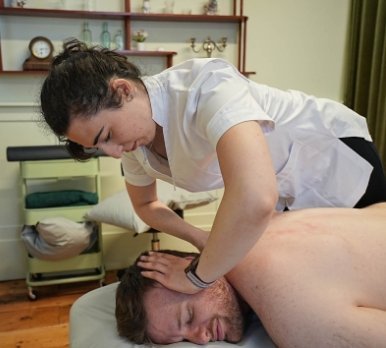
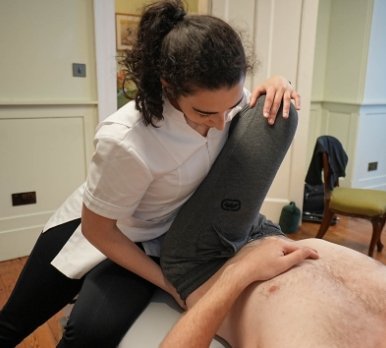
Osteopaths deliver personalized osteopathic treatment using a variety of non-invasive manual techniques. These include physical manipulation, joint articulation, stretching, and soft tissue massage, along with more subtle and gentle methods. Each approach is aimed at relieving tension, improving mobility, and enhancing blood and nerve supply to ease pain and return the body to a more balanced and functional state.
To further support recovery, osteopaths may incorporate complementary tools such as acupuncture or dry needling, kinesiology taping, and tailored exercise rehabilitation programs. These additions help reinforce treatment outcomes and empower you to maintain long-term health and movement.


what to expect
on your first visit
All osteopathic appointments include a consultation, physical examination, and a personalized osteopathic treatment plan tailored to your needs.
Your first appointment typically lasts 40–60 minutes and begins with a detailed case history. This allows us to get to know you as an individual and understand your presenting concerns. We’ll ask questions about your general health, past medical history, previous injuries or surgeries, lifestyle, diet, sports, hobbies, and any sources of stress. If you have relevant medical tests—such as X-rays, scans, or MRIs—please bring them along to help inform your care.
We’ll then carry out a thorough physical examination to support whole-body healing through hands-on care. This may involve observing your movement and posture, and using our trained sense of touch to assess the health of your joints and soft tissues. We may also perform neurological or cardiovascular checks, such as testing reflexes or listening to your heart and lungs, to ensure a complete understanding of your condition. Occasionally, you may be asked to dress down to your underwear to assist with the examination; rest assured, a gown, towel, or blanket will be provided for your comfort.
Once we’ve diagnosed the issue, we’ll explain our findings and present a verbal treatment plan. This plan often aims to relieve pain, improve mobility, and enhance your overall wellbeing. We may also recommend lifestyle adjustments, dietary guidance, and exercises to support your body’s natural ability to heal and accelerate recovery. During treatment, you may experience sensations such as pressure, warmth, or mild soreness as we apply various manual techniques.
Most patients feel an immediate benefit from their treatment. Occasionally, a mild reaction may occur, which typically resolves within 48 hours. If you have any concerns following your session, please don’t hesitate to contact us—we’re here to help and reassure you.
In some cases, we may recommend further medical investigations, such as scans or blood tests, or refer you to a specialist consultant to ensure you receive the most comprehensive care possible.
what can
osteopathy treat
Although osteopaths are best known for treating back pain, they are also able to help you and your family with a wide range of other common problems such as:
- Back, neck, jaw, shoulder, hip, knee, foot, and ankle pain
- Joint pain (including some types of arthritic or rheumatic pain)
- Headaches (especially those caused by neck tension)
- Migraine prevention
- Fibromyalgia and chronic fatigue
- Sciatica
- Stress, anxiety, or the inability to relax
- Jaw pain, clicking jaw or TMJ disorders
- Acute or chronic injuries
- Digestive or circulatory problems
- Neuralgia
- Birth trauma
- Minor sports injuries
- Generalised aches and pains
about me
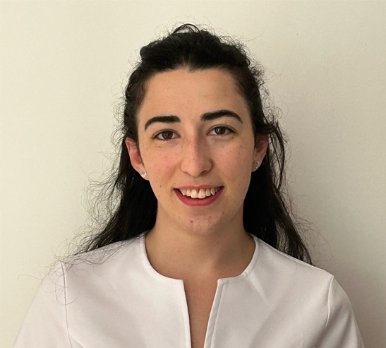
Lexi is a young, dedicated, and compassionate osteopath who graduated from the London School of Osteopathy with a passion for working alongside patients to fully appreciate the root cause of their symptoms, adapting her treatment style to suit their specific needs. She aims to engage, inspire, and empower her patients within each treatment session, allowing them to experience ease and relief from their presenting symptoms.
Lexi holds a masters degree in Osteopathy as well as qualifications in sports massage, iridology, dry needling (Western Medical Acupuncture), Buccal massage (a technique aimed at relieving jaw tension) and paediatric osteopathy. She is also in the process of completing a postgraduate diploma in Specialist Paediatric Osteopathic Practice.
Additionally, Lexi is a qualified clinical Pilates therapist and integrates Pilates exercises into her treatment plans, empowering her patients with the tools to improve core strength, flexibility, and posture
Although she has a special interest in women’s health and paediatrics, Lexi enjoys treating patients from a variety of different backgrounds.
frequently asked questions
To help us restore balance, relieve pain, and reclaim your life through personalized osteopathic care, it’s important for us to observe how your body responds to movement and stretching. We kindly ask that you wear shorts, leggings, or loose-fitting clothing to your appointment. In some cases, you may be asked to dress down to your underwear to allow for a more thorough assessment and treatment.. In this instance, a gown, towel o blanket will be provided for your comfort.
Your first treatment begins with a detailed case history to understand your current concern, overall health, medications, and any relevant medical background. All information shared is kept strictly confidential. To support whole-body healing through hands-on care, we’ll then guide you through simple movements and stretches to assess your posture and mobility. Based on this, we’ll explain your diagnosis and develop a personalized treatment plan tailored to your needs.
To support your body’s natural ability to heal through tailored osteopathic care, please bring along any relevant medical information to your appointment. This includes a list of current medications with daily dosages or your prescription, as well as any X-rays, MRIs, or medical reports. If you use orthotics in your everyday or sports footwear, we kindly ask that you bring those too, as they help us better understand your movement and posture.
You can pay by cash or with credit card.
Lexi has experience in treating a broad range of complaints, from back problems to everyday aches and pains, as well as specialist training in paediatric osteopathy and in the care of women, during and after pregnancy.
Her aim is to aid recovery back to optimum health, using a variety of gentle non-invasive manual techniques to release tension and strain, and restore harmony and balance to the body.
Whether for back pain, a sporting injury, stress-induced headaches, postural strains and much more, treatments are tailored to meet your individual needs, and those of your family.
She can also provide advice on posture and exercises to further recovery, promote health and help prevent symptoms recurring. When necessary, referrals may be made to your doctor, for specialist medical investigations or consultant referral
If you have further questions that you would like to discuss before making an appointment, please call 073 8352 3660 or email info@epsomosteocare.co.uk
You can get in touch by phone ( 073 8352 3660 ), by email (info@epsomosteocare.co.uk) or use the contact form. Alternatively use the quick and easy online booking system.
The number of treatments will vary depending on your individual needs and the nature of the issue. After a thorough assessment, Lexi will outline a personalized osteopathic treatment plan—whether it’s for back pain, joint stiffness, or other concerns—and provide you with tools to monitor your recovery and progress.
New patient osteopathy (60mins) – £ 80.00
Return patient osteopathy (30mins) – £ 55.00
Osteopathy and dry needling (new patient) – £ 90.00
Osteopathy and dry needling (return patient) – £ 65.00
Osteopathy and kinesiology taping (new patient) – £ 85.00
Osteopathy and kinesiology taping (return patient) – £ 60.00
Clinical Pilates (30 minutes) – £ 40.00
Osteopathy and Clinical Pilates (60 minutes) – £ 90.00
TMJ release massage (30 minutes) – £ 55.00
Pilates or Barre group classes (45 minutes) – £ 10.00 per person
Buccal massage (new patient) – £80
testimonials
My Blog
Welcome to the Epsom OsteoCare blog where you will find expert insights, holistic care tips and everything osteopathy.
Osteopathy vs Physiotherapy in Epsom – Which Is Right for Your Recovery?
Muscle, joint, and postural pain are some of the most common reasons people in Epsom seek professional help. Whether it’s back or neck pain from long hours at a desk, stiffness after sports, or general tension that won’t go away, many patients find themselves wondering: Should I see an osteopath or a physiotherapist? At first glance, osteopathy and physiotherapy might seem similar – both help with pain, movement problems, and injury recovery. But their approaches and the results they aim for can be quite different. Understanding these differences can help you choose the treatment best suited to your needs. The Core Difference Physiotherapy focuses primarily on exercise-based rehabilitation — helping you strengthen weak areas, rebuild stability, and recover after injury or surgery.Osteopathy, on the other hand, uses a more hands-on approach, focusing on how the body’s structure and function work together. By releasing tension, improving joint mobility, and restoring balance
How Osteopathy Supports You Through Perimenopause and Beyond
Perimenopause and menopause are big transitions in a woman’s life. While they’re completely natural, the symptoms can sometimes feel anything but easy. From hot flushes and brain fog to aching joints and disrupted sleep, these changes can affect both body and mind. The good news? You don’t have to go through it alone. Alongside lifestyle changes, exercise, and medical support where needed, osteopathy can play a gentle but powerful role in helping women navigate this stage with more comfort and confidence. What Happens During Perimenopause and Menopause? Perimenopause is the lead-up to menopause and can last several years. Hormone levels—particularly oestrogen and progesterone—start to fluctuate, which can bring on a whole host of symptoms, including: These changes can feel frustrating, especially if you’ve always felt strong and active. But there are ways to support your body through them. The Link Between Hormones, Joints, and Muscles Oestrogen plays a role in
The Link Between Posture and Pain – And How Osteopathy Can Help
We’ve all been told to “sit up straight” at some point—but does posture really matter as much as we think? And can the way we sit, stand, and move throughout the day actually cause pain? The short answer: yes… but it’s not quite as simple as “good” posture vs. “bad” posture. Let’s break it down. What Do We Mean by Posture? Posture isn’t just about how you sit at your desk—it’s the way your body holds itself in different positions, whether you’re standing, sitting, moving, or even lying down. When your muscles and joints are well-balanced, your body can cope with everyday demands more easily. But if certain muscles are working overtime (say, because you’ve been hunched over your laptop all day), you might start to feel tension, stiffness, or pain. How Posture Can Contribute to Pain Poor or sustained posture doesn’t automatically cause pain—but over time, it can put